Image
Pinned

We're excited to introduce a new membership feature on Hewlaq: Blue Badges.

Starting today, every active Chatter, Pro, and Pro Plus member automatically receives a blue badge on their profile. There's no application process, no extra steps, and nothing to activate. As soon as your subscription is active, your badge appears instantly.

The blue badge is a simple way to recognize and highlight members who support Hewlaq. It gives your profile a trusted, recognizable identity across the community and makes it easy for others to see that you're an active part of what we're building together.

A Small Badge with a Big Meaning

Hewlaq has always been more than a storefront. It's a place where producers, sound designers, and creators can discover unique sounds, exchange ideas, and connect with others who share the same passion for music production.

The new blue badge helps strengthen that sense of community. Your badge shows that you're helping support independent sound design and the future of the platform when you comment on a release, join discussions, share feedback, or simply explore new content.

Membership Benefits

The blue badge is now included with all paid memberships:

Chatter

Our most affordable membership includes:

  • Blue profile badge
  • Direct chat support
  • Early access to new releases
  • Occasional free downloads and bonus content
  • Access to member-exclusive updates

Pro & Pro Plus

Designed for producers who want deeper access, these plans include additional exclusive content, premium releases, priority benefits, and expanded membership perks alongside the blue badge.

Free Starter accounts can still access selected free content and previews, but the blue badge is reserved for active paid members.

Built for Sound Designers and Producers

Hewlaq was created for people looking for something beyond generic sound libraries. Our catalog focuses on original, handcrafted content, including:

  • Xfer Serum presets
  • Sylenth1 presets
  • Custom sound effects
  • Animal-inspired sounds
  • Experimental textures
  • Production tools and resources

Every sound is created from scratch with a focus on originality, usability, and creativity.

Beyond downloads, members also gain access to a growing community and blog featuring sound design techniques, production insights, industry discussions, reviews, and practical advice for music creators.

Thank You for Supporting Hewlaq

The launch of blue badges is one of several community improvements inspired by member feedback. It's a small feature, but one that helps recognize the people who keep the platform growing.

If you're already a Chatter, Pro, or Pro Plus member, visit your profile and you'll see your blue badge waiting for you.

Thank you for supporting independent sound design and being part of the community. More releases, presets, sound effects, and member features are on the way.

See you inside.

Image

Most tracks don’t sound professional because the producer keeps fixing problems that never should have existed. You can spend hours chasing plugins, or you can apply a short list of high-leverage habits that clear the path in minutes. The difference between a rough idea and a finished, release-ready mix is rarely one magic plugin. It is a handful of repeatable decisions made early and consistently.

These ten tips are ordered so each one makes the next faster. Apply them in sequence on your next track and you will hear the improvement before you finish the first pass.

1. Gain stage before you touch a fader or plugin

Professional mixes start with clean levels, not heroic processing. Set every track so its peaks sit roughly between –18 and –12 dBFS before any plugins. Leave the master fader at 0 dB and aim for the premaster to peak around –6 dBFS. 

When levels are already hot, every compressor and saturator works harder than it should. That forces you to fight artifacts later and slows every decision. Proper gain staging gives every subsequent move more headroom and clearer feedback. Do this once at the start of the session and the rest of the mix moves faster.

2. Build a static mix in mono first

Balance volume and basic panning while the entire mix is collapsed to mono. If the kick, bass, vocal (or lead), and main hook still read clearly when everything is stacked on top of itself, the stereo version will open up dramatically. 

Mono forces you to solve frequency and level conflicts instead of hiding them with width. Many producers skip this and spend the next two hours trying to “make space” with EQ that only becomes necessary because the balance was never solid. Ten focused minutes in mono often replaces an hour of corrective EQ later.

3. High-pass almost everything except kick and bass

Every non-bass element accumulates low-end energy that no one hears but that still occupies headroom and creates mud. Apply a high-pass filter (12–24 dB/octave) starting around 80–120 Hz on most tracks, then raise the cutoff until the sound starts to thin out, then back it off slightly. Leave kick and sub-bass largely untouched.

This single move is one of the highest-return actions in mixing. It instantly reduces competition in the low end, improves translation on small speakers, and makes subsequent EQ decisions easier because you are no longer fighting invisible energy. Do it systematically at the beginning rather than one track at a time while you are already deep in the mix.

4. Mix in order of importance (hierarchical mixing)

Start with the single most important element in the track (usually the kick or the lead vocal/hook). Get it sitting where you want it, then add the next most important element and make it work with the first. Continue down the hierarchy.

This prevents the common trap of endlessly polishing secondary parts while the core of the song is still unstable. Once the foundation is solid, lesser elements have a clear job: support without competing. The process feels slower at first and becomes dramatically faster overall because you stop revisiting decisions.

5. Prefer reductive EQ and complementary cuts

When two elements fight, cut the one that is less important in the frequency range of the one that must be heard. A 2–4 dB cut with a moderate Q on a competing pad or guitar often does more for the vocal than a 6 dB boost on the vocal itself. Boosts should be wider and gentler; cuts can be narrower and more precise.

Additive EQ is easy and addictive. Reductive EQ requires listening, which is why many producers avoid it. The result of preferring cuts is a mix that stays open and less fatiguing. You also spend less time fighting harshness and masking later.

6. Compress in stages, not all at once

A single compressor doing 8–12 dB of gain reduction usually sounds forced. Spread the work: light compression on the individual track (2–4 dB), more on the group bus (another 2–3 dB), and a light touch of glue on the mix bus. Slow attack and relatively fast release on bus compressors is a reliable starting point for many styles.

Serial or staged compression keeps transients alive while still controlling dynamics. It also gives you more options for automation and parallel processing later. The total control is the same or better, but the sound stays more natural and you reach usable settings faster.

7. Use bus routing and light glue compression early

Group related elements (drums, vocals, synths, guitars) to buses. Apply modest bus processing once the group is balanced. A small amount of compression or saturation on the bus often creates cohesion that individual tracks cannot achieve alone.

Buses turn a large session into a smaller number of decisions. Once the drum bus feels right, you can largely leave the individual drum tracks alone. This is one of the biggest workflow accelerators for producers who previously mixed every track in isolation.

8. Check against references at matched loudness

Import one or two well-mixed tracks in a similar style. Level-match them to your mix (within roughly 0.5 dB) and switch frequently, especially on the low end, vocal presence, and overall density. Do this before you start heavy processing and again near the end.

Without references, you mix to your own fatigue and memory of “what good sounds like.” Matched references give an external standard that shortens the trial-and-error cycle. Most of the gap between amateur and professional mixes is visible the moment you A/B at the same volume.

9. Automate and create deliberate space instead of fixing everything with processing

If a part is masking the vocal in the chorus, consider muting or filtering it for that section rather than carving permanent EQ holes. Use arrangement, volume automation, and filter automation to open space exactly where it is needed. Less is often more right before a drop or chorus.

Many “mixing” problems are actually arrangement or density problems. Solving them with processing creates a dense, fragile mix that takes longer to finish and translates worse. Intentional space makes the remaining elements sound bigger with less effort.

10. Validate on multiple systems and take real breaks

Export a rough mix and listen on headphones, laptop speakers, car, and phone. Note only the biggest problems (low end disappearing, harshness, vocal buried). Fix those, then stop. Ear fatigue makes every additional hour less accurate. Fresh ears the next day usually reveal the remaining issues faster than another four-hour session the same day.

Translation checking catches the problems that sound fine in your room. Combined with the earlier tips, it turns the final polish into a short list of targeted fixes rather than a full re-mix.

Why these tips make the whole process faster

Each tip removes a category of later problems. Clean gain staging and high-pass filters reduce the need for aggressive corrective EQ. Mono balancing and hierarchical order prevent endless rebalancing. Staged compression and buses create cohesion with fewer individual moves. References and multi-system checks replace guessing. The cumulative effect is fewer open loops and shorter sessions.

Key takeaways

  • Start with levels, not plugins.  
  •  Solve balance and low-end competition before detailed EQ.
  • Prefer cuts, staged dynamics, and buses over heroic single-plugin settings.  
  • Use references and real-world playback to keep decisions honest. 
  • Treat arrangement and automation as mixing tools.

Frequently asked questions

How long does it take to hear a difference with these tips?  
Most producers notice clearer low end and better balance on the first track they apply them to, often within the first hour.

Do I still need expensive plugins?
No. These tips work with stock EQ, compressors, and high-pass filters. Better tools help later, but they do not replace the fundamentals.

Should I mix into a limiter?
Light monitoring limiting is fine for judging loudness, but leave real headroom on the premaster. Let the mastering stage handle final loudness.

What if my source material is already poor?
These tips still help, but they cannot fully rescue bad recordings or conflicting arrangements. Fix the biggest source problems first, then apply the list.

Make the next release cleaner and more professional

Once your tracks sound better, the practical side of being an independent artist still needs attention: ISRCs, splits, royalty statements, promo budgets, and whether a release actually paid for itself. Hewlaq’s free Independent Artist Catalog Manager is an Excel workbook built exactly for that. It tracks releases, publishing splits, transactions, promo spend, and growth metrics in one place so you are not piecing it together from notes, distributor tabs, and PDF folders.

Download the free Catalog Manager on hewlaq.com, duplicate it, and start logging your next release. Members also get early access to exclusive royalty-free packs and presets (including grit-focused Serum banks that help tracks sit with more character) plus direct community support. 

Join the supporters community or grab the free catalog tool and keep both the sound and the business side moving forward.

Image

Key takeaways

  • Royalty-free means you pay once and owe no further payments or percentages when your track streams, sells, or syncs to video.
  • Royalty-free is a license, not public domain. You still cannot resell the raw sounds as your own pack.
  • Uncleared commercial samples are the fastest way for an independent artist to lose income to a takedown or a copyright claim.
  • Streaming hit $20.4 billion in 2024, so a flagged release can cost real money, not just bragging rights (IFPI, 2025).
  • A clean, pre-cleared library lets you finish and ship tracks without chasing permissions.

Royalty-free sample packs give you sounds you pay for once and then use in your music forever, with no cut taken from your streams, sales, or sync placements. For a working producer, that is the difference between shipping a track and sitting on it, afraid a cleared-sample dispute will nuke it later.

Your tracks should make you money, not legal headaches. This guide breaks down what "royalty-free" actually means, the licensing traps that bleed independent artists dry, how to spot a quality pack from filler, and how to build full records legally without clearing a single sample.

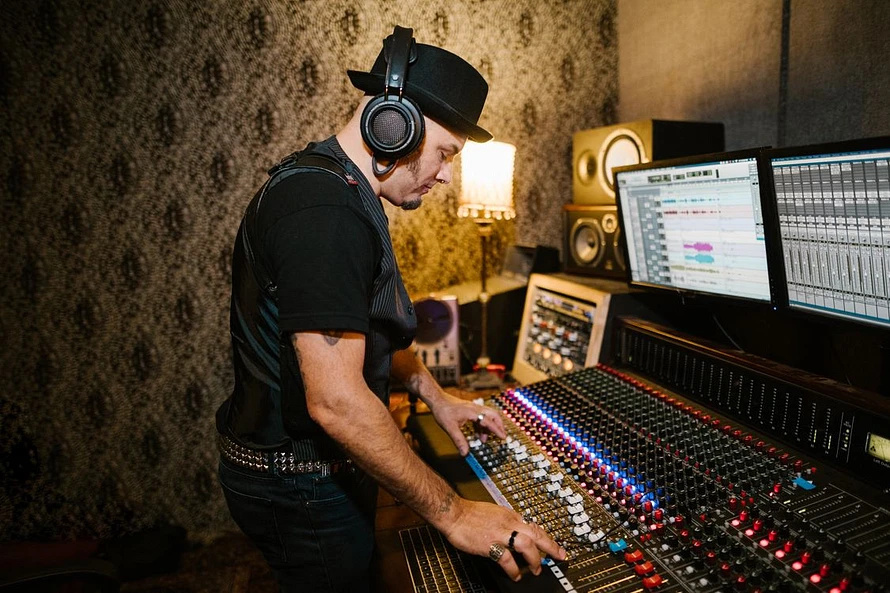
Music producer wearing headphones with a console in a music recording studio

What Does Royalty-Free Actually Mean for Your Releases?

Royalty-free means you pay once and owe nothing more, no matter how far your track travels. Stream it a million times, sell it on Bandcamp, sync it to a YouTube ad: the sample creator does not come back for a percentage. The music industry is big enough now that this matters. Global recorded music revenue hit $31.7 billion in 2025, up 6.4% year over year (IFPI via Music Ally, 2026).

One point trips up a lot of producers: royalty-free describes how you pay, not whether you pay.

What you get with a royalty-free license:

  • One upfront price, zero ongoing royalties
  • The right to use the sounds in commercial releases
  • Coverage for streaming, downloads, and most sync placements
  • Freedom to chop, pitch, layer, and mangle the sounds into something new

What you usually do not get:

  • The right to resell the raw sounds as your own sample pack
  • Ownership of the original recording itself
  • Permission to redistribute the unprocessed files

The sounds are still copyrighted. The creator keeps ownership and hands you a license to build on them. That distinction keeps you out of trouble later.

Why Do Licensing Traps Kill Independent Artists?

Licensing traps kill independent artists because one uncleared sample can freeze an entire release, and most bedroom producers have no legal budget to fight it. When streaming alone reached $20.4 billion in 2024, roughly 69% of all recorded music revenue (IFPI via Music Canada, 2025), a flagged track is not a small thing. It is lost income.

Independent artists now own a huge slice of that pie, close to half of the global market on an ownership basis. That is a lot of people releasing music with no label legal team behind them. If your sample is dirty, you absorb the hit alone.

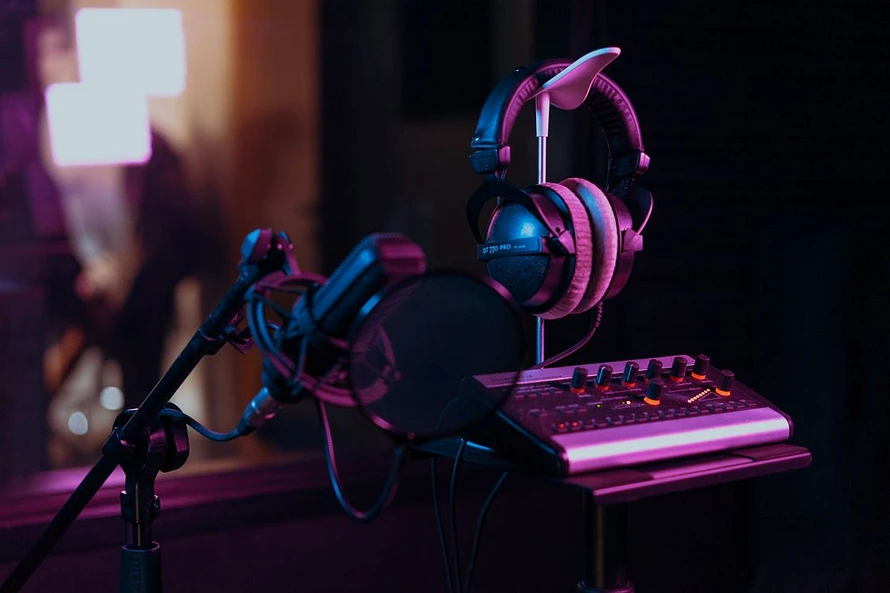
Professional audio recording equipment including microphone, headphones, and mixer board in a dim studio

The traps that catch producers

Pulling sounds from YouTube or random downloads. That "free loop pack" from a sketchy forum often has no license at all. No license means no permission. If it blows up, so does your exposure.

Assuming "for personal use" covers your release. It does not. Personal-use sounds are for practice, not for the track you drop on Spotify.

Sampling a commercial record without clearance. Flipping a famous break feels classic, but a real sample clearance involves two separate rights holders: the master recording and the underlying composition. The U.S. Copyright Office spells out how layered these rights are through the Music Modernization Act, which overhauled how digital licensing and producer royalties work. Skip that process and you are gambling your whole catalog.

Ignoring the fine print on resale. Even clean royalty-free packs usually forbid you from repackaging the raw sounds. Flip them into music, yes. Resell them as loops, no.

The groove is not worth the gamble. A dirty sample can sit quiet for two years, then surface the moment your song gets traction.

How Do You Spot a High-Quality Royalty-Free Pack?

A high-quality royalty-free pack has clean metadata, a clear license document, and sounds that were actually designed rather than ripped. Filler packs flood marketplaces with recycled, overused samples that every other producer already has. You can hear the difference in a mix: generic presets sit lifeless, while crafted sounds have grit and movement.

Signs of a quality pack:

  • A plain-language license you can actually read
  • Key and tempo labeled on every loop
  • Clean, consistent file naming and folder structure
  • Sounds with character: analog warmth, real texture, usable grit
  • One-shots and loops that sit in a mix without heavy processing

Signs of filler:

  • No license file, or vague terms buried in a web page
  • Mislabeled or unlabeled keys and tempos
  • The same recycled vinyl crackle you have heard on a hundred beats
  • Thin, brittle sounds that fall apart the moment you push them

A clean license alone will not save a weak pack. A set of loops can be perfectly licensed and still be garbage. You want both: clean paperwork and sounds that make your track sound like you, not like everyone else. Original sound design is what separates a memorable record from background noise.

How Do You Build Full Tracks Without Clearing Samples?

You build full tracks legally by sourcing every element from pre-cleared royalty-free libraries, so there is nothing left to clear. Drums, melodies, textures, vocal chops, synth presets: if each piece comes with a royalty-free license, your finished track is clean by construction. No lawyers, no clearance delays, no takedowns.

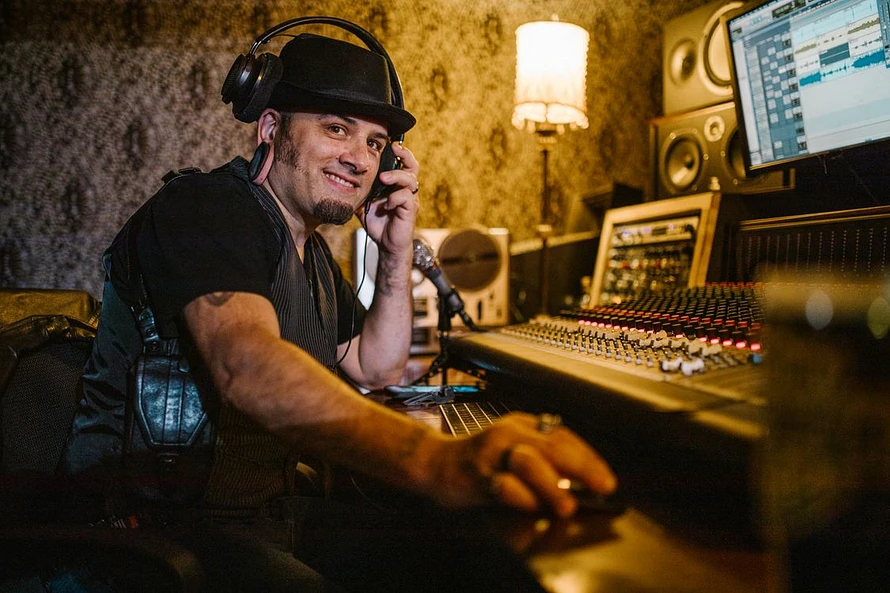
Smiling music producer wearing headphones at a professional audio mixer in a recording studio

A clean workflow, step by step

  1. Start with royalty-free drums and percussion. Build your rhythm from licensed one-shots and loops. Layer them for a sound that is yours.
  2. Pull melodies from royalty-free sample packs or write them with licensed presets. Serum, Sylenth1, and Vital preset packs give you fresh starting points you then tweak into something original.
  3. Design, do not borrow. Take a royalty-free wavetable preset and twist the macros, filters, and envelopes. Now the sound is unmistakably yours, and it is still clean.
  4. Add texture from licensed sources. Vinyl scratch samples, field recordings, and foley from royalty-free packs give your track depth without risk.
  5. Keep your license files. Save the license that came with every pack. If a distributor ever asks, you have proof.

The point is to never introduce a single sound you cannot account for. When every element is pre-cleared, "clearing samples" stops being a step. You just finish the song.

Tweaking a preset instead of using it raw does double duty. It makes your sound original, and it keeps you away from the cookie-cutter presets that make tracks sound too clean and too familiar. Chaos is fine. Unlicensed is not.

Where Does Hewlaq Fit Your Workflow?

Hewlaq is built around exactly this problem: giving producers hand-crafted, royalty-free sounds that break away from the generic presets everyone else is recycling. The library spans premium sound packs, Serum, Sylenth1, and Vital presets, drum and beatmaking samples, and vinyl scratch textures, all cleared for commercial use the moment you download them.

What that means for your sessions:

  • Finish tracks without stopping to chase permissions
  • Release on any platform knowing the sounds are clean
  • Build a personal library that is actually distinctive, not filler
  • Unlock free packs, discounts, and direct support through membership tiers

The sounds are made to be twisted. Start from a Vital wavetable preset, push it somewhere weird, and you walk away with something original that is also royalty-free. That is the whole point: fewer worries, more time making music that sounds like you.

Make Your Next Track Clean From the First Sound

Stop releasing music you have to look over your shoulder about. The fix is simple: source every sound from a royalty-free library, keep your license files, and twist presets into something only you could make. Pick one project you have been sitting on, swap any questionable sample for a cleared one, and finish it this week. Browse Hewlaq's royalty-free library, grab a pack that fits the vibe, and build without the fear. Your best track should not come with a legal asterisk.

Frequently asked questions

Does royalty-free mean the sample pack is free?

No. Royalty-free refers to how you pay, not whether you pay. You usually pay once up front, then owe no ongoing royalties on streams or sales.

Can I use royalty-free samples in songs I sell or monetize?

Yes. A standard royalty-free license covers commercial release, including streaming, downloads, and most sync uses. Always read the specific license for edge cases like resale.

What is the difference between royalty-free and copyright-free?

Royalty-free sounds are still copyrighted. The creator keeps ownership and grants you a license to use them. Copyright-free or public domain means no one holds rights at all, which is rare for modern samples.

Do I need to credit the sample pack creator?

Usually not for the music itself, but licenses vary. Most royalty-free producer libraries require no credit for finished tracks. Check whether resale or redistribution of the raw files is restricted.

Image

David Guetta is the world’s No. 1 DJ again. DJ Mag crowned him at UNVRS in Ibiza on 6 October 2026, his sixth win and a record nobody else holds.

The DJ Mag Top 100 DJs 2026 poll is a public vote, not a critics’ list and not a booking chart. Fans pick five names. DJ Mag turns those picks into points, strips out bad ballots, and ranks whoever is left. That is the whole system. The arguments around it have not changed in twenty years.

DJ Mag Top 100 DJs 2026: the result

Voting ran from 12:00 GMT on 8 July 2026 to 23:59 GMT on 16 September 2026. DJ Mag says a record number of verified votes came in from 234 territories. The heaviest European ballots came from the UK, France, Spain, Italy, Belgium, the Netherlands and Portugal. The USA and China were also among the biggest voting countries. Chinese voters used a separate app at djmagvote.cn. Indonesia, Thailand and Malaysia led the rest of Asia. South Africa, Algeria and Morocco led Africa. Colombia, Peru, Chile, Brazil and Argentina carried most of the South American vote.

The top 10 of the DJ Mag Top 100 2026 ranking:

| 1 | David Guetta | same |
| 2 | Martin Garrix | same |
| 3 | Anyma | up 7 |
| 4 | Alok | down 1 |
| 5 | Dimitri Vegas & Like Mike | down 1 |
| 6 | Charlotte de Witte | up 3 |
| 7 | Armin van Buuren | down 2 |
| 8 | Timmy Trumpet | down 2 |
| 9 | FISHER | down 2 |
| 10 | Vintage Culture | up 1 |

Guetta first won in 2011, then again in 2020, 2021, 2023, 2025 and 2026. Martin Garrix and Armin van Buuren have five wins each. Guetta is now alone on six. On stage he called it “pretty serious” and said he was honoured. Afrojack, No. 8 last year, dropped to 15.

Category titles handed out with the poll: Charlotte de Witte, World’s No. 1 Techno DJ for a seventh year in a row. Armin van Buuren, World’s No. 1 Trance DJ. FISHER, World’s No. 1 House DJ. Sara Landry, World’s No. 1 Hard DJ. Indira Paganotto, first winner of a new World’s No. 1 Psy DJ award, up 10 to No. 26. Dimitri Vegas & Like Mike, World’s No. 1 DJ Group, even with Like Mike off the road for part of the summer for health reasons. Anastazja took Future Star. Luciano took Outstanding Contribution.

How the DJ Mag Top 100 vote actually works

There is no shortlist. There is no panel. A voter registers with a real email address. In mainland China the check is by SMS. Anti-bot software has to accept the address before a one-time link goes out. One person, one ballot. Repeat attempts get blocked, and enough of them can trigger a look at the names on those ballots.

Each ballot holds up to five DJs, in order:

- First choice: 5 points
- Second: 4
- Third: 3
- Fourth: 2
- Fifth: 1

If the same name is typed twice, only the higher slot counts. Doing it on purpose flags the artist for a check. After the window closes, DJ Mag runs every ballot through a verification process it will not describe in public. The magazine says the filter was built from three decades of cheating attempts, and publishing the method would only help the next round of cheats. Artists with a pile of inorganic votes get a manual review. That review can end in disqualification, and DJ Mag reserves the right to name the people it catches.

The ranking is the points total after that clean-up. DJ Mag does not publish raw vote counts, and the terms say it does not have to. The published order is final.

Artists are allowed to ask for votes. They are not allowed to buy them. The voting kit bans incentives: free drinks, tickets, competition entry, exclusive tracks, merch, discounts. Street teams are banned in schools, shopping centres, sports grounds and anywhere else that is not the artist’s own show. Teams inside a show, talking only to that artist’s crowd, are allowed if the activity was registered in advance. Skipping the registration can wipe the votes. Agencies that sell a guaranteed vote total or a guaranteed place are banned outright. DJ Mag says those operations use methods the filter already knows.

Who is allowed on the list

The poll is open, which is not the same as having no rules.

To stay on the published DJ Mag Top 100 DJs list an artist has to be active and working in dance music. People outside dance music, artists who have died, artists in prison, artists on a long break, and artists who have retired are taken off. Joke entries and social-media spoofs are removed. A duo or group counts as one entry. That is why Dimitri Vegas & Like Mike, Swedish House Mafia, Keinemusik and W&W sit on the same table as solo DJs.

There is no minimum stream count, no festival-headline requirement, and no rule that you had to be on last year’s list. Josh Baker landed at 40 on his first appearance, the highest new entry. Thirteen new names and three re-entries made the 2026 list, among them Mahmut Orhan at 42, Illenium back at 30, Padre Guilherme, Sonny Fodera, Cloonee, Joseph Capriati, Shimza, Prospa, ¥ØU$UK€ ¥UK1MAT$U and KI/KI at 100.

Just outside, DJ Mag also published a Next 50. Sammy Virji is first of those, which puts him at 101. Chris Lake, I Hate Models, Meduza, REZZ, Chase & Status, Adam Beyer, Fatboy Slim and Patrick Topping are in that band too. Missing the 100 does not mean the votes were not real. It means other names scored more points.

How the 2026 ranking moved

House and techno took ground from the big-room and EDM names that owned the top half for most of the 2010s. DJ Mag called it another shift in what the global vote actually listens to.

The joint highest climbers, each up 22 places: John Summit to 24, Mau P to 55, and CHRIS STASSY (the name Stussy now performs under) to 59. Fred again.. jumped 17 to 16. GORDO rose 18 to 50. The Martinez Brothers climbed 15 to 28. Korolova, Miss Monique and Solomun each gained 14. Michael Bibi gained 11, to 37. Skrillex moved up 6 to 25. Calvin Harris gained 5 and sits at 11, a year after a São Paulo carnival show DJ Mag and others have tied to a Guinness record for a solo DJ set.

The drops were just as sharp. Vini Vici fell 39 places to 71. Quintino fell 29. Above & Beyond fell 26, to 87. Eric Prydz fell 25, to 62. DJ Snake fell 20. The Chainsmokers fell 19. Hardwell slid from 15 to 29. Oliver Heldens, Claptone, R3HAB and Bassjackers all lost ground in double digits.

German interest sat with Keinemusik at 31, the highest German placing, Lilly Palmer up 8, and a scatter of techno and melodic names through the lower half. Alok held 4. Vintage Culture entered the top 10. Black Coffee rose to 14. Peggy Gou is 13.

The reveal itself was the second year in a row at UNVRS, which had just been voted World’s No. 1 Club in its first year open. Sarah Story hosted. Sets on the night came from Lost Frequencies, Charlotte de Witte, Anyma, GORDO b2b Vintage Culture, Anastazja and Korolova, then a two-hour headline from Guetta after the crown.

The poll again raised money for Bridges for Music, which runs a music academy in Langa, South Africa. Every artist on the list was asked to sponsor at least one student. Last year’s campaign brought in £170,832 from 42 artists, the biggest single haul the charity had seen. By the 2026 announcement, reporting put the new total near £120,000, with Guetta among the early donors.

The full DJ Mag Top 100 DJs 2026 list

Positions below come from the published countdown and secondary rundowns of the official list. Moves are against 2025.

1. David Guetta
2. Martin Garrix
3. Anyma (+7)
4. Alok (−1)
5. Dimitri Vegas & Like Mike (−1)
6. Charlotte de Witte (+3)
7. Armin van Buuren (−2)
8. Timmy Trumpet (−2)
9. FISHER (−2)
10. Vintage Culture (+1)
11. Calvin Harris (+5)
12. Don Diablo (+1)
13. Peggy Gou (−1)
14. Black Coffee (+3)
15. Afrojack (−7)
16. Fred again.. (+17)
17. Lost Frequencies (+2)
18. Steve Aoki (−4)
19. KSHMR (+4)
20. W&W (−2)
21. Reinier Zonneveld (+1)
22. Tiësto (−1)
23. Carl Cox (+2)
24. John Summit (+22)
25. Skrillex (+6)
26. Indira Paganotto (+10)
27. Nicky Romero (+2)
28. The Martinez Brothers (+15)
29. Hardwell (−14)
30. Illenium (re-entry)
31. Keinemusik (−11)
32. Alan Walker (−8)
33. Jamie Jones (−6)
34. Swedish House Mafia (same)
35. Paul van Dyk (+4)
36. Korolova (+14)
37. Michael Bibi (+11)
38. Dom Dolla (+3)
39. Oliver Heldens (−13)
40. Josh Baker (new)
41. Solomun (+14)
42. Mahmut Orhan (new)
43. Claptone (−13)
44. Joel Corry (−9)
45. R3HAB (−17)
46. Mochakk (+10)
47. Amelie Lens (−9)
48. HUGEL (+6)
49. Lilly Palmer (+8)
50. GORDO (+18)
51. James Hype (+1)
52. Maddix (+1)
53. Marshmello (−11)
54. Zedd (−10)
55. Mau P (+22)
56. Alesso (−5)
57. Boris Brejcha (−8)
58. Bassjackers (−13)
59. CHRIS STASSY (+22)
60. DJ Snake (−20)
61. Miss Monique (+14)
62. Eric Prydz (−25)
63. ATB (−4)
64. Sara Landry (−2)
65. Kölsch (same)
66. Ben Nicky (new)
67. Sub Zero Project (−3)
68. Joseph Capriati (new)
69. Liu (+2)
70. ARTBAT (+3)
71. Vini Vici (−39)
72. Wade (new)
73. Nora En Pure (−15)
74. B Jones (+14)
75. Shimza (new)
76. Quintino (−29)
77. Lucas & Steve (−11)
78. Giuseppe Ottaviani (+11)
79. Padre Guilherme (new)
80. Sonny Fodera (new)
81. Deborah De Luca (−21)
82. Nico Moreno (−15)
83. Ferry Corsten (+2)
84. Cloonee (new)
85. Mosimann (re-entry)
86. PAWSA (−17)
87. Above & Beyond (−26)
88. Marnik (−8)
89. The Chainsmokers (−19)
90. Plastik Funk (−4)
91. deadmau5 (−9)
92. MATTN (re-entry)
93. Nils van Zandt (+5)
94. Prospa (new)
95. ¥ØU$UK€ ¥UK1MAT$U (new)
96. Cuebrick (−6)
97. Marlon Hoffstadt (+3)
98. Honey Dijon (−1)
99. DubVision (−12)
100. KI/KI (new)

Rumours, campaigns, and what people actually think

Before the show, the open question was whether Guetta would make it six or whether Garrix, Anyma or Alok could take it. The lineup at UNVRS listed the headliner only as “The World’s No. 1 DJ”, which is the same trick the poll has used before. Anyone treating that as a leak was guessing. The number was not read out until the night.

The standing complaint is older than this result. The DJ Mag Top 100 is a popularity poll among people willing to register and vote, heavily shaped by who asks. A DJ with a huge WhatsApp list, a festival crowd, and a manager who treats July to September as campaign season will beat a DJ who sells out rooms and never mentions the poll. Bookers in some markets still print the number on posters. Plenty of other bookers ignore it and look at ticket data.

The dirtier history is documented. In 2007 the Chinese DJ Tiesmi said he paid £260 for 100,000 votes and hired someone to get around the checks. In 2014, reports had people working for Dimitri Vegas & Like Mike walking Tomorrowland with iPads pointed at a page where the duo were already filled in. Old sales emails, published years ago by VICE, showed DJ Mag offering voting-page ads in the tens of thousands of dollars, on the argument that the ads would be in front of people while they voted. Gareth Emery has said he was pitched by a company that framed payment as the price of staying competitive. DJ Mag’s current terms ban paid vote packages and say inorganic ballots get cut. Catching every agency is a different claim, and the magazine has never pretended the poll is a pure measure of who played the best sets.

This year’s public reaction split the usual way. Guetta fans treated the sixth win as overdue recognition for a career that still fills arenas past the four-decade mark. Techno accounts pointed at Charlotte de Witte at 6 and Indira Paganotto’s new category as proof the poll is no longer only an EDM fan vote. House accounts did the same with John Summit, Fred again.., Josh Baker and FISHER. The other half of the timeline called it a marketing contest, asked why certain club DJs were missing, and moved on. That argument will be back in July 2027, when the next ballot opens.

Nothing in the 2026 result says Guetta is the best DJ alive. It says more verified voters put him first, or high enough in their five, than anyone else, after DJ Mag threw out the ballots it did not trust. For a poll that started in 1993 as a staff-written list for the magazine’s 100th issue, and later became the biggest public vote in dance music, that is the only claim the number can carry.

Image

Futuristic Printer Sounds on My Official Pond5 Store

Most people still hear a printer and think of an office. Paper, a tired motor, that little pause before the page comes out. I kept that memory, then pushed the machine about fifty years forward. The futuristic printer sounds on my official Pond5 store, hewlaq, are built for scenes where a document is not just paper. It might be a clearance slip in a spaceport, a warrant printing itself in an anime police office, or a lab report crawling out of a machine that has opinions.

I have been on Pond5 since 2021. The page is mostly sound design, with a smaller share of recordings, and the work sits in sci fi, industrial, and mechanical territory. These printer files follow the same habit. I do not own a printer from the future. Nobody does. I build the behavior with tools I have used for years, mainly Sylenth1 and Serum, starting from simple waves and noise, then layering until the machine feels occupied. A sine wave can become the rail. A little noise can become the head. Slow movement keeps it from sitting still like a loop someone forgot to finish.

A real printer has stages, and I kept that idea. There is the wake up, when the servos find their place and the housing gives a short answer. There is the travel of the head, quicker than an old inkjet, with a dry tick at each end of the line. There is the feed, which may not be paper at all. In some files it feels like a thin sheet. In others it feels like a film, or a plate, or something the story never names. Then there is the finish, the small release when the job is done and the machine settles into idle. Idle matters. A lot of stock printers stop when the page stops. A room does not. The hum stays, lower, waiting for the next order.

I also made the faults, because stories live there. A jam in this set is not a comedy beep from a cubicle. It is a head that loses its count, a feed that catches, a short electrical complaint, then a retry. You can drop that under a close up and the audience understands the machine failed without a line of dialogue. You can also leave the clean pass under a wide shot of a control room and nobody will notice the sound on purpose, which is usually the point.

Each file is its own pass. I do not take one master and pitch it three times. One sound might be a cold start in a quiet lab. Another might be a fast batch job with the head working harder. Another might be the soft chatter of a unit mounted in a wall, heard from the corridor. That difference is what I want when someone is cutting a sequence and needs the printer to change state, not just get louder.

Quality is plain on purpose. The files are high quality, 24 bit, 48 kHz, with no upscaling and no squash before upload. I check them on laptop speakers, studio monitors, and phone earbuds, because that is where they actually get used. If the head travel disappears on a phone, it is not finished. If the low body of the machine only exists on big monitors, it is not finished either.

They are royalty free in the way Pond5 means it. You license the sound, you are covered, and you do not owe a credit, though I never mind one. The Pond5 license is built for real work. Movies, animation, anime, video games, online ads, YouTube, apps, trailers, jingles, student films, the lot. A feature can use the same wake up that a short anime uses for a background gag. A game can loop the idle under a terminal while the UI plays the short confirm on top. Nothing in the file locks you to one medium.

If you are searching the store, open my page and search printer. The official storefront is pond5.com/artist/hewlaq. The rest of the library is there too, reactors, alarms, interface noise, creatures, weather, whatever the cut needs next. This pass is the printer. It should sound like a machine that still has a job, even when the room around it is no longer an office.

Image
1
Join to access
Image

Modern Dance Music playlist for Spotify

The EDM Festival playlist from Hewlaq brings together techno rave, acid techno, big room techno, techno psytrance, trance and uplifting trance for festival season. The selection moves from hard, driving records and rave-heavy drops to melodic trance tracks made for the biggest moments of the night.

Built around the sounds heard across today's festival circuit, the playlist features artists such as Hardwell, Maddix, W&W, AVAO, AXMO, Dirty Signal and Hewlaq, alongside established electronic artists regularly featured across major festivals and DJ Mag coverage.

The focus is simple: strong festival records, high energy and music that works from the first build-up to the final peak-time track. Expect 140–150 BPM techno pressure, acid lines, big room drops, rave influences, psychedelic grooves and uplifting trance melodies.

//Save the playlist for new festival tracks.

The new sound of festival EDM

Festival EDM has changed a lot from the traditional big-room sound of the 2010s. Techno, rave, trance, psytrance and harder styles now share the same stages, and that crossover is a big part of the current festival sound.

Hewlaq's Spotify EDM Festival playlist follows that direction, moving between heavy techno drums, rave synths, acid sequences, big festival hooks, psychedelic basslines and euphoric trance breakdowns.

The result is a playlist made for mainstage sets, warehouse nights, festival warm-ups, night drives, workouts and aftermovie sessions.

It is not built around one genre. The common point is energy.

Techno rave

Techno rave has become a major part of the modern festival sound, bringing warehouse intensity into larger stages.

Hard kicks, rave stabs, distorted synths, vocal chants and fast-moving arrangements give these tracks a direct feel. Artists such as Maddix, AVAO, Lilly Palmer and Sara Landry represent different sides of this harder direction.

The sound also connects with the growing interest in hard techno rave, neo rave and festival rave playlists, where classic rave influences meet current production.

Acid techno

Acid techno brings the TB-303 sound into the festival setting.

Squelching basslines, resonant sequences, sharp percussion and constantly moving patterns give acid tracks their distinctive character. The style can work in a dark warehouse just as easily as it can during a late-night festival set.

The playlist includes the harder side of acid and peak-time techno, with artists such as Reinier Zonneveld representing the connection between acid, techno and large-scale festival production.

For listeners searching for acid techno, peak-time acid, 303 techno or acid rave playlists, this section keeps the focus on tracks with serious movement and pressure.

Big room techno

Big room techno sits between modern techno and the huge sound associated with festival EDM.

The formula is straightforward: heavy four-on-the-floor drums, large drops, strong melodies and hooks that work across a festival crowd.

Artists including Hardwell, W&W, Maddix and AXMO have helped push the connection between big room, rave and harder electronic music.

This is also where searches for big room techno 2026, mainstage techno and big room techno playlists meet the current festival sound.

The goal is not to recreate the old big-room era. It is to take that scale and combine it with today's harder production.

Techno psytrance

Techno psytrance sits somewhere between driving techno and psychedelic dance music.

Rolling basslines, hypnotic patterns, psychedelic effects and fast percussion make it a natural fit for festival stages, especially as the day moves into the evening.

The playlist uses this sound as a bridge between the heavier techno tracks and the more psychedelic side of festival EDM.

There is still a strong four-on-the-floor foundation, but the arrangements and sound design bring a different kind of movement.

Trance and uplifting trance

The heavier side of festival EDM still leaves room for melody.

Trance and uplifting trance bring emotional breakdowns, supersaws, long builds and large melodic releases into the playlist.

Armin van Buuren, W&W, AVAO and Vini Vici represent different parts of that spectrum, from classic trance influences to modern rave, techno and psytrance combinations.

The BPM can move slightly away from the harder techno range here, but the energy stays high.

These are the tracks for the hands-in-the-air moments, sunrise sets and final mainstage peaks.

Artists in the Hewlaq festival lane

The playlist includes a mix of established names and artists working directly in the current techno, rave, big room and trance crossover.

Maddix — A major name in the modern rave and festival-techno movement, combining hard techno energy with big-room production.

Hardwell — One of the most recognizable names in festival EDM, with a sound that has moved from classic big room toward harder techno and rave influences.

AVAO — A project connecting trance, techno and neo-rave, with releases and festival appearances across the electronic scene.

AXMO — A German duo combining big room, rave, trance, happy hardcore and hard-dance influences.

Dirty Signal — Known for high-energy festival techno and rave productions.

2ACES — Focused on energetic big room and festival-oriented techno productions.

R3SPAWN — Brings a harder rave and techno approach, including festival-focused remixes and edits.

Hewlaq — The curator and producer behind the playlist, with releases including Last Call, Mechanical Rave and Not The Same.

EDM artists and DJs to know

The playlist also connects with artists who regularly appear across major electronic festivals, streaming platforms and DJ Mag coverage.

David Guetta, Martin Garrix, Alok, Dimitri Vegas & Like Mike, Armin van Buuren, Timmy Trumpet, FISHER, Afrojack, Charlotte de Witte, Anyma, Vintage Culture, Peggy Gou, Don Diablo, Steve Aoki, Calvin Harris, Black Coffee, W&W, Lost Frequencies, Tiësto, Reinier Zonneveld, KSHMR, Alan Walker, Carl Cox, Oliver Heldens, R3HAB, Nicky Romero, Skrillex, Vini Vici, Swedish House Mafia, Fred again.., Indira Paganotto, Amelie Lens, Eric Prydz, DJ Snake, Marshmello, The Chainsmokers, Avicii, Kygo, Alesso, John Summit, Lilly Palmer, Sara Landry, Bassjackers, Blasterjaxx, Sub Zero Project, Space 92, Eli Brown, Adam Beyer, Boris Brejcha, Above & Beyond, Paul van Dyk, deadmau5, Illenium and Dom Dolla.

The selection can move between mainstream festival EDM and harder underground sounds, depending on the current direction of the playlist.

Festival sounds from Tomorrowland to Awakenings

The playlist draws from the wider festival circuit rather than one specific event.

Tomorrowland, EDC Las Vegas, Ultra Music Festival, UNTOLD, Parookaville, Mysteryland, Amsterdam Music Festival, Awakenings, A State of Trance and Defqon.1 all represent different sides of modern electronic music.

The playlist is not an official compilation for any of these festivals. It is a Hewlaq selection built around the sounds that continue to appear across festival stages, club sets and electronic music releases.

For listeners searching for Tomorrowland 2026 playlists, Ultra Miami setlists, EDC Las Vegas techno, festival anthems and trance festival music, the playlist brings several of those sounds together in one place.

New music with room for classics

The playlist gives priority to new and modern EDM, but older tracks can still appear when they work with the current sound.

There is no reason to remove a great festival record simply because it was released years ago. If it still works next to today's techno rave, big room and trance productions, it has a place here.

The idea is to keep the playlist current without turning it into a collection of songs released in one particular year.

Built for different moments

The playlist works across different parts of a festival day or night.

Festival week — Get into the mood before heading out.

Pre-festival nights — A high-energy soundtrack while getting ready.

Night drives — Driving techno, rave and trance work especially well after dark.

Gym sessions — The harder 140–150 BPM material keeps the pace moving.

Warehouse warm-ups — Start with driving techno before moving toward the heavier records.

Aftermovie replays — Bring back the festival feeling after the weekend is over.

DJ preparation — Discover tracks, artists and sounds before a club or festival set.

What to expect from the playlist

The harder side of the playlist generally sits around the high-130s to 150 BPM range, with techno rave, acid techno and big room techno providing most of the pressure.

The trance and uplifting trance selections create more space for melody while keeping the overall energy suited to festival listening.

Expect:

  • Techno rave
  • Hard techno
  • Acid techno
  • Big room techno
  • Mainstage EDM
  • Techno psytrance
  • Psytrance influences
  • Trance
  • Uplifting trance
  • Rave-inspired EDM
  • Peak-time techno
  • Festival anthems

A playlist for DJs and electronic music fans

The playlist can also work as a discovery tool for DJs.

It brings together different sounds that can appear across a festival weekend, from big-room records and techno weapons to acid tracks, rave edits and uplifting trance.

It is not intended to replace a DJ's own crate digging. It is another place to find artists and tracks worth checking out.

FAQ: EDM Festival Playlist 2026

Where can I listen to the EDM Festival playlist?

The playlist is available through the Hewlaq artist profile on Spotify.

Follow Hewlaq and save the playlist to keep up with new additions.

What BPM is the playlist?

The harder techno, rave and big room selections generally sit between the high-130s and 150 BPM. Trance and uplifting trance tracks can sit slightly lower while keeping the energy focused on festival listening.

Is the playlist only new music?

No. New and modern EDM is the main focus, but older records can be included when they still fit naturally with the current sound.

Can DJs use it for music discovery?

Yes. It can be used to discover techno rave, big room techno, acid techno, trance, psytrance and festival-oriented releases.

Is this an official Tomorrowland, Ultra or EDC playlist?

No. It is an independent playlist curated by Hewlaq and inspired by the sounds heard across the wider festival and electronic music scene.

How is it different from a general EDM playlist?

The playlist focuses more heavily on the crossover between festival EDM, techno rave, big room techno and trance.

Rather than covering every style of electronic music, it stays close to high-energy records that can work on mainstages, in clubs and at raves.

Save the EDM Festival playlist

The EDM Festival 2026 playlist by Hewlaq brings techno rave, acid techno, big room techno, techno psytrance, trance and uplifting trance into one selection.

// Playlist submission: your track to be considered, submit here and get featured on the Spotify playlist: promo@hewlaq.com

Hewlaq just released "Mechanical Rave", a hard dance track for your edm playlist.

The comments section is open for feedback! Put there, in this thread, anything related to it!

Image

🚨 NEW MUSIC ANNOUNCEMENT

New hard techno incoming from Hewlaq. The upcoming single "Mechanical Rave" drops on August 28, 2026.


Techno has been moving fast from small underground clubs straight to the main stages of big festivals lately. Festival crowds are going harder than ever, dancing non-stop all night like machines, and this track was built around that exact energy.
It is available as a Beatport Exclusive, with pre-saves open now.

📌 Track Details & Links

  • Artist: Hewlaq
  • Title: Mechanical Rave
  • Release Date: August 28, 2026
  • Genre: Hard Techno
  • BPM: 150
  • Key: E Minor
  1. Pre-save: https://ffm.to/bpg0dzq
  2. Beatport Exclusive: https://www.beatport.com/release/mechanical-rave-extended-mix/7327712

Track Review: Hewlaq – "Mechanical Rave"

Techno has gotten noticeably faster and heavier at festivals over the past few years, and Hewlaq’s latest track fits right into that shift.


Running at 150 BPM in E Minor, "Mechanical Rave" gets straight to the point. The track relies on a heavy, sharp syhtn lines with a rough, industrial tone. The groove stays steady and intense throughout, matching the non-stop pace of modern festival crowds.


Rather than filling the track with long build-ups, the focus stays on a a tight, machine-like rhythm. It brings the heavy edge of hard techno into a bigger, cleaner production style meant for large sound systems.
It is a straightforward, high-energy track made for peak-hour sets and listeners who prefer the faster, harder side of modern dance music.

Image

Finding the right collaborator can completely change the outcome of a music project.

A talented singer can bring a melody to life, an experienced producer can transform a rough demo into a polished track, and a skilled mixing engineer can give a song the professional sound listeners expect.

The internet has made these collaborations much easier. Instead of searching through social media or relying only on local connections, musicians now have dedicated platforms built specifically for the music industry. These websites allow artists to hire producers, vocalists, songwriters, session musicians, and audio engineers from around the world.

Among the many services available today, three platforms continue to stand out for their reliability and music-focused communities: SoundBetter, AirGigs, and Vocalizr.

SoundBetter: A Marketplace for Professional Music Services

SoundBetter has established itself as one of the leading online marketplaces for music professionals. The platform connects independent artists, record labels, and content creators with producers, vocalists, songwriters, session musicians, mixing engineers, and mastering engineers.

One reason for its popularity is the wide range of talent available. Some professionals have worked on major-label releases and charting records, while many others offer affordable services for independent musicians working with smaller budgets.

Hiring someone is simple. Artists describe their project, receive offers from freelancers, compare reviews and previous work, then choose the professional that best matches their goals. Payments remain protected until the project is completed, creating a secure experience for both parties.

The platform has grown into one of the largest music collaboration communities online. More than 400,000 musicians have used SoundBetter, while professionals have earned over $120 million through completed projects. Its marketplace includes specialists across almost every music genre, including pop, EDM, rock, hip-hop, country, cinematic music, jazz, and classical productions.

For artists looking for high-quality production, professional mixing, or experienced vocalists, SoundBetter remains one of the strongest choices available.

AirGigs: Built for Remote Music Collaboration

AirGigs has focused entirely on music production since its launch in 2012. Unlike general freelance websites that cover every industry, AirGigs is dedicated to musicians and recording professionals.

Artists can hire producers, singers, instrumentalists, composers, arrangers, voice-over artists, mixing engineers, and mastering engineers through one marketplace. Since everyone works within the music industry, communication often feels more natural because clients and freelancers already understand recording sessions, stems, revisions, audio formats, and production workflows.

The platform supports both browsing available services and posting custom projects. Once a freelancer is selected, messaging, file delivery, revisions, and payments all remain inside the platform until the work is finished.

AirGigs has expanded into a truly international music community. Members come from more than 160 countries, over 75,000 music services are available, and the platform has facilitated more than 450,000 recording sessions.

Many producers enjoy AirGigs because it offers quick access to session musicians. Instead of booking expensive studio time, artists can hire professional guitarists, drummers, pianists, string players, brass performers, or backing vocalists remotely and receive studio-quality recordings delivered online.

Vocalizr: Connecting Producers and Singers

Vocalizr takes a different approach by focusing primarily on vocal collaborations. Instead of offering every type of music service, it specializes in helping producers and singers work together.

Electronic music producers, DJs, songwriters, and composers regularly need original vocals for their tracks. Vocalizr simplifies this process by allowing producers to post their songs and invite singers to submit their interest.

After selecting a vocalist, both collaborators continue working inside a dedicated workspace where they exchange files, discuss revisions, and complete the recording securely.

This specialized system makes searching much faster than browsing larger freelance marketplaces. Producers can narrow their search using vocal style, music genre, language, gender, and other preferences to find the voice that fits their project.

For creators producing EDM, house, trance, pop, future bass, cinematic music, or commercial releases, Vocalizr offers a practical solution that keeps the entire collaboration organized.

Which Music Collaboration Platform Should You Choose?

The best platform depends on the type of project you are creating.

SoundBetter is an excellent choice for artists searching for experienced professionals across every stage of music production. AirGigs offers a large international marketplace dedicated entirely to recording services and remote musicians. Vocalizr focuses on matching singers with producers, making it especially useful for vocal-driven projects.

Many independent musicians combine all three platforms. One project may begin by finding a vocalist through Vocalizr, continue with a producer or mixing engineer on SoundBetter, and finish with a live guitarist hired through AirGigs. This flexible approach gives artists access to worldwide talent without the cost of maintaining a full in-house production team.

Final Thoughts

Online collaboration has become part of everyday music production. Independent artists now have access to professional musicians across different countries, time zones, and musical styles. The right collaboration can improve songwriting, production quality, and the final listening experience.

If you're planning your next release, exploring platforms like SoundBetter, AirGigs, and Vocalizr can help you discover talented professionals ready to turn your ideas into finished songs.

#MusicProduction #MusicIndustry #MusicBusiness #IndependentArtist #MusicMarketing #MusicCareer #MusicTips #MusicCommunity #ArtistDevelopment #MusicCollaboration #FreelanceMusician #HireAProducer #HireASinger #HireAVocalist #SessionMusician #Songwriter #MusicProducer #MixingEngineer #MasteringEngineer #OnlineMusicProduction #RemoteCollaboration #MusicMarketplace #MusicNetworking #MusicCreators #RecordingStudio #HomeStudio #EDMProducer #IndependentMusic